
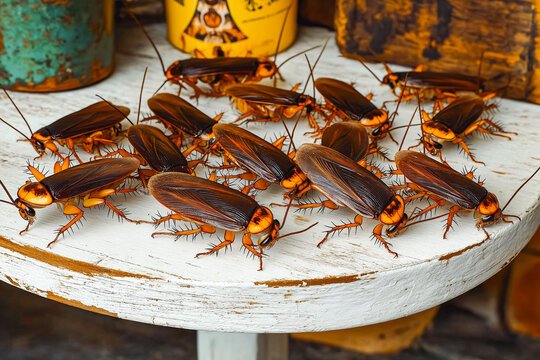
Protect your kitchen. Improve hygiene. Reduce hidden pest activity.
Cockroaches can hide inside cupboards, behind appliances, beneath sinks, and in small cracks around your property. Seeing a few insects may indicate activity in nearby concealed areas.
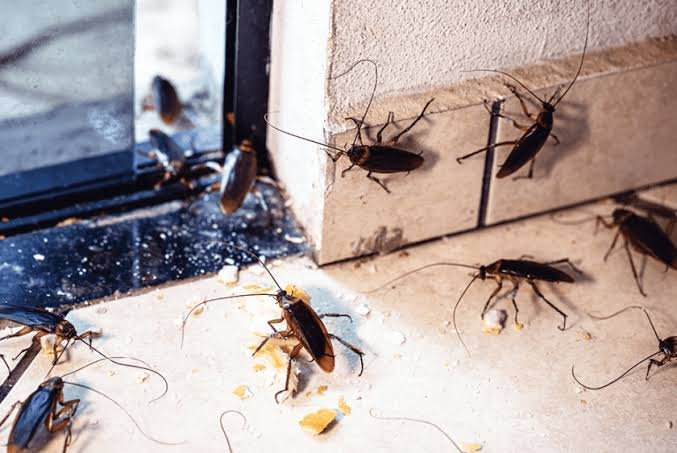
EcoShield Pest Control provides cockroach inspection and treatment services for homes, apartments, offices, restaurants, hotels, shops, and commercial premises. Our approach combines inspection, suitable treatment, monitoring, and prevention advice to address the problem.
What Are Cockroaches?
Cockroaches are insects that seek food, water, and sheltered hiding places. Many become more active at night and remain concealed during the day.
Kitchens, food-storage areas, damp corners, and spaces around appliances can provide favourable conditions. Cockroaches may also enter properties through building gaps or arrive in cartons, supplies, and used equipment.
Different species have different habits, so inspection helps determine where treatment is needed.
Signs of a Cockroach Infestation
Live Cockroaches
Repeated sightings around sinks, cupboards, appliances, or storage areas can indicate nearby activity. Daytime sightings may also occur when hiding places are disturbed or an infestation is established.
Droppings
Small dark droppings may collect near cupboard hinges, along wall edges, inside drawers, and behind appliances.
Egg Cases
Cockroach egg cases, called oothecae, may be found in sheltered crevices or among stored materials.
Shed Skins and Dead Insects
Young cockroaches shed their outer covering as they grow. Shed skins and dead insects can provide evidence of activity.
Unpleasant Odour
Heavy infestations can produce a persistent musty smell. However, odour alone does not confirm the presence of cockroaches.
Where Do Cockroaches Hide?
Common hiding places include:
- Kitchen cupboards, drawers, and cabinet joints.
- Areas beneath sinks and around leaking pipes.
- Spaces behind refrigerators and other appliances.
- Cracks along skirting boards and wall junctions.
- Storage rooms containing cardboard and clutter.
- Gaps around plumbing and service openings.
- Sheltered areas near waste containers.
Cockroaches may move between adjoining rooms or neighbouring premises, making coordinated inspection useful in shared buildings.
Why Cockroach Control Matters
Cockroaches can move between waste areas, drains, food-storage spaces, and work surfaces. Their activity can affect cleanliness and contaminate food or packaging.
Killing visible insects alone may leave hidden cockroaches and breeding areas untreated. Effective management also addresses access to food, moisture, and shelter.
Our Cockroach Inspection Process
We inspect accessible areas to identify visible activity and conditions supporting the infestation.
Our assessment considers:
- Cockroach sightings, droppings, and egg cases.
- Likely hiding places and movement routes.
- Food residues, grease, and uncovered waste.
- Leaks and persistent dampness.
- Gaps around pipes, fittings, and building joints.
- Previous sprays, powders, or other treatments.
We then explain the proposed treatment, preparation requirements, coverage, and follow-up arrangements.
Methods of Cockroach Treatment
Gel Bait Application
Cockroach gel bait contains an insecticide within an attractive food formulation. Small placements are applied at suitable locations near hiding places and movement routes, following the product label.
Gel treatment can target activity in selected areas without requiring broad surface spraying.
For effective bait management:
- Keep placements inaccessible to children and pets.
- Avoid contaminating food and food-contact surfaces.
- Do not spray cleaners or household insecticides over bait.
- Reduce competing food sources through regular cleaning.
- Allow inspection and replenishment where required.
Results develop over time and depend on bait acceptance, infestation levels, and site conditions.
Targeted Spray Treatment
Where appropriate, a suitable insecticide may be applied to selected cracks, crevices, and other identified hiding areas.
The product and application method are selected according to the location and label directions. Food, utensils, and sensitive belongings must be removed or protected as instructed.
Gel and spray treatments are coordinated so that applications do not interfere with bait placements.
Monitoring and Follow-Up
Monitoring traps can help identify movement routes and assess changes in activity. Follow-up inspections allow treatment placements to be reviewed and persistent hotspots to be addressed.
Established infestations may require more than one visit, especially where access is limited or insects enter from adjoining areas.
Our Step-by-Step Service Process
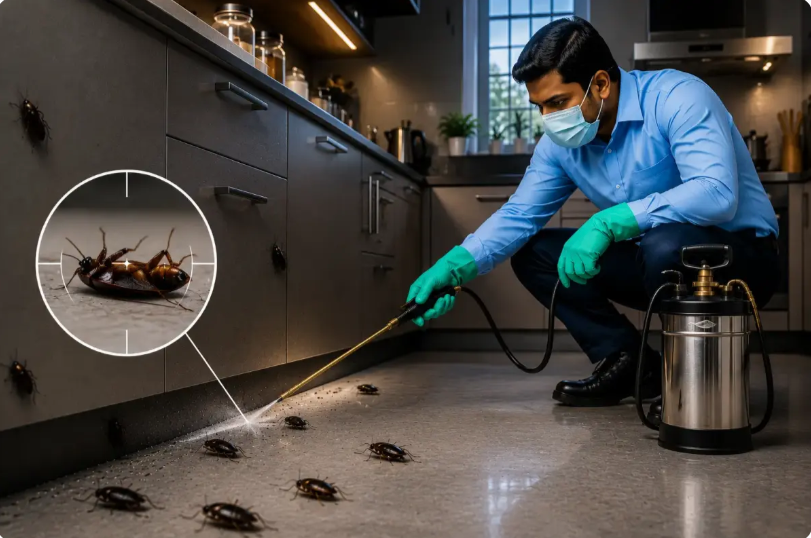
1. Inspect: Identify accessible signs, hiding places, and conditions supporting activity.
2. Plan: Explain the recommended treatment, service coverage, and preparation.
3. Prepare: Guide customers on cleaning, food storage, and access requirements.
4. Treat: Apply suitable gel bait, targeted spray, or a coordinated combination.
5. Monitor: Review activity and adjust treatment where necessary.
6. Prevent: Recommend improvements to hygiene, moisture control, storage, and entry points.
How to Prepare Before Treatment
Follow the instructions provided for your premises. Preparation may include:
- Storing food in sealed containers.
- Removing exposed utensils from treatment areas.
- Cleaning food spills, grease, and crumbs.
- Emptying waste bins.
- Providing access beneath sinks and around affected cupboards.
- Reporting leaks and persistent dampness.
- Keeping children and pets away from the work area as instructed.
Tell the technician about any pest-control products recently used at the property.
After-Treatment Care
- Follow the cleaning and re-entry instructions provided.
- Keep gel bait placements undisturbed.
- Avoid applying household sprays over treated bait locations.
- Continue routine hygiene and secure food storage.
- Leave monitoring devices in their agreed positions.
- Report continuing sightings and their locations.
- Attend follow-up visits included in the service plan.
Control takes time. Progress depends on the infestation, treatment access, sanitation, and possible movement from neighbouring premises.
How to Reduce Future Cockroach Activity
Deny Food
Clean spills promptly, remove grease, and avoid leaving dirty dishes or pet food exposed overnight.
Deny Water
Repair leaks and keep sinks, cupboards, and surrounding areas as dry as practical.
Deny Shelter
Reduce unnecessary cardboard and clutter. Repair suitable cracks and gaps around fittings.
Deny Entry
Inspect incoming cartons and used appliances. Maintain door seals, screens, and openings around service pipes.
Frequently Asked Questions
Is cockroach gel chemical-free?
No. Gel bait contains an insecticide and must be applied according to its label, with appropriate precautions.
Will all cockroaches disappear immediately?
Immediate elimination should not be expected. Hidden insects may remain active while treatment takes effect, and follow-up may be required.
Do I need to leave the property?
This depends on the product and treatment method. Follow the specific access and re-entry instructions provided before service.
Can I clean after treatment?
Routine cleaning remains important, but avoid disturbing bait placements or treated areas until advised. Your technician will explain the relevant cleaning precautions.
Why do cockroaches return?
Possible causes include remaining hiding places, available food and moisture, newly introduced insects, or movement from neighbouring premises. Reinspection helps identify the likely cause.
How much does cockroach control cost?
Pricing depends on the property size, infestation level, accessibility, treatment coverage, and visits included. Contact EcoShield Pest Control for an assessment-based quotation.
Book Cockroach Control service
Noticed cockroaches in your kitchen, cupboards, office, or business premises? Contact EcoShield Pest Control to discuss an inspection and suitable treatment options